Game Categories
Coping with Change
Many autistic children find change difficult - whether it’s moving from one activity to another, trying a new food, or even taking a different route to school. This is because change can disrupt familiar patterns, which may feel overwhelming. In the DSM-5, this is described as “insistence on sameness” and difficulty with transitions, both of which are common and perfectly valid experiences for autistic people.
Whizkid Games helps children practice coping with change in a safe, fun, and predictable way. By gently introducing small changes in the games, such as new challenges, different visual cues, or altered routines, children can build the flexibility they need to manage bigger changes in everyday life.
Why this matters
Research shows that gradual, supported exposure to small changes can improve adaptability and reduce anxiety. Skills developed in-game can translate to daily routines, making transitions at home, school, and in the community easier.
How you can support at home
- Start small:
Change one thing at a time. For example, switch the colour of a game character’s hat, then later try a different in-game task order. - Use visual cues:
Give advance notice of upcoming changes with pictures, symbols, or a simple countdown. - Celebrate success:
Acknowledge your child’s effort when they handle a change well, no matter how small.
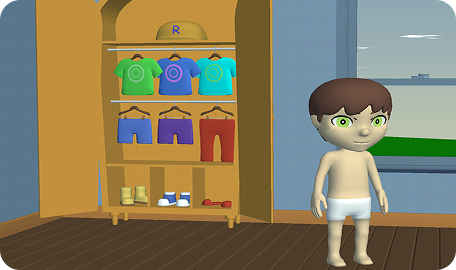
Ron Gets Dressed
This game helps children with autism adapt to changes in clothing, to support weather conditions and garment care.
- Encourages the adoption of minor changes in daily routine
- Enforces useful phrases such as “it’s dirty” and “it’s too hot to wear pants”
- Teaches children appropriate wear for specific weather conditions
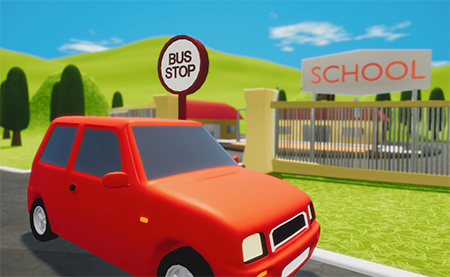
Rufus Goes to School
Players follow Rufus through his school day routine and learn to manage disruptions along the way.
- Enforces that change can be necessary and helpful
- Encourages players to problem solve and adapt to change, rather than exhibiting compulsive behaviours to cope
- Presents common daily changes, such as travelling to school with different carers throughout the week
Related guides
- How to Help Your Autistic Child with Airport Anxiety
Airports can be overwhelming for autistic children. Learn practical strategies to reduce travel anxiety using visual supports, social stories, and gradual exposure.
- Helping Your Autistic Child Cope with Unexpected Changes to Plans
Cancelled plans and last-minute changes can derail an autistic child's whole day. Learn how to build flexibility in advance and what actually helps in the moment.
- Preparing Your Autistic Child for Doctor and Dentist Visits
Unfamiliar rooms, bright lights, and unexpected touch make health appointments hard. Discover how practice visits, visual schedules, and clear communication with clinicians help.